
We Believe Public Parks Are Among The Great Cultural Achievements of Humankind.

Complex products of our past, present, and future, parks are mirrors of our collective culture at its best. They are vibrant social commons, the mixing grounds of economic status, race, nationality, and ability that represent the democratic ideal underpinning a truly whole society. 

In the face of ongoing global forces of population growth, urbanization, migration, and climate change, OLIN remains dedicated to shaping cities as resilient centers of cultural vibrancy, public health, and natural integrity.  Parks represent the generosity of human spirit and nature that makes the increasing density and intensity of our cities possible.  As reflections of the challenges
we face as a society, parks can also be active agents of change
for the better—through programming and design that fosters healthy lifestyles, youth and intergenerational development, and
by stabilizing neighborhoods and enhancing land value around them. More than just the places where buildings aren’t, parks play an active role in shaping the urban life of our cities. 

Recognizing the central role of the public realm, we work in a continuum of public space from plazas in the densest urban core
to the larger, more remote landscapes that provide respite from the intensity of urban life and sustain our connection to nature. Great cities are also the best tools to preserve the rural and distant wilderness spaces that nurture our spirit, minds and bodies. Parks allow people to be a part of, not apart from, nature. 

We believe that even one great park can help make the world better.

draw.jpg
VR.jpg

50 YEARS AND STILL CURIOUS


 At OLIN, we’ve spent 50 years designing for the public realm, integrating lessons from our other practice areas. We’re relentlessly curious. We consistently strive to understand and untangle the intricacies of how public space works across the globe and in all its forms, from tiny pocket plazas and serene gardens, to bustling urban centers, to college, cultural, and corporate campuses, to big-picture planning for districts, corridors, and entire citywide systems.
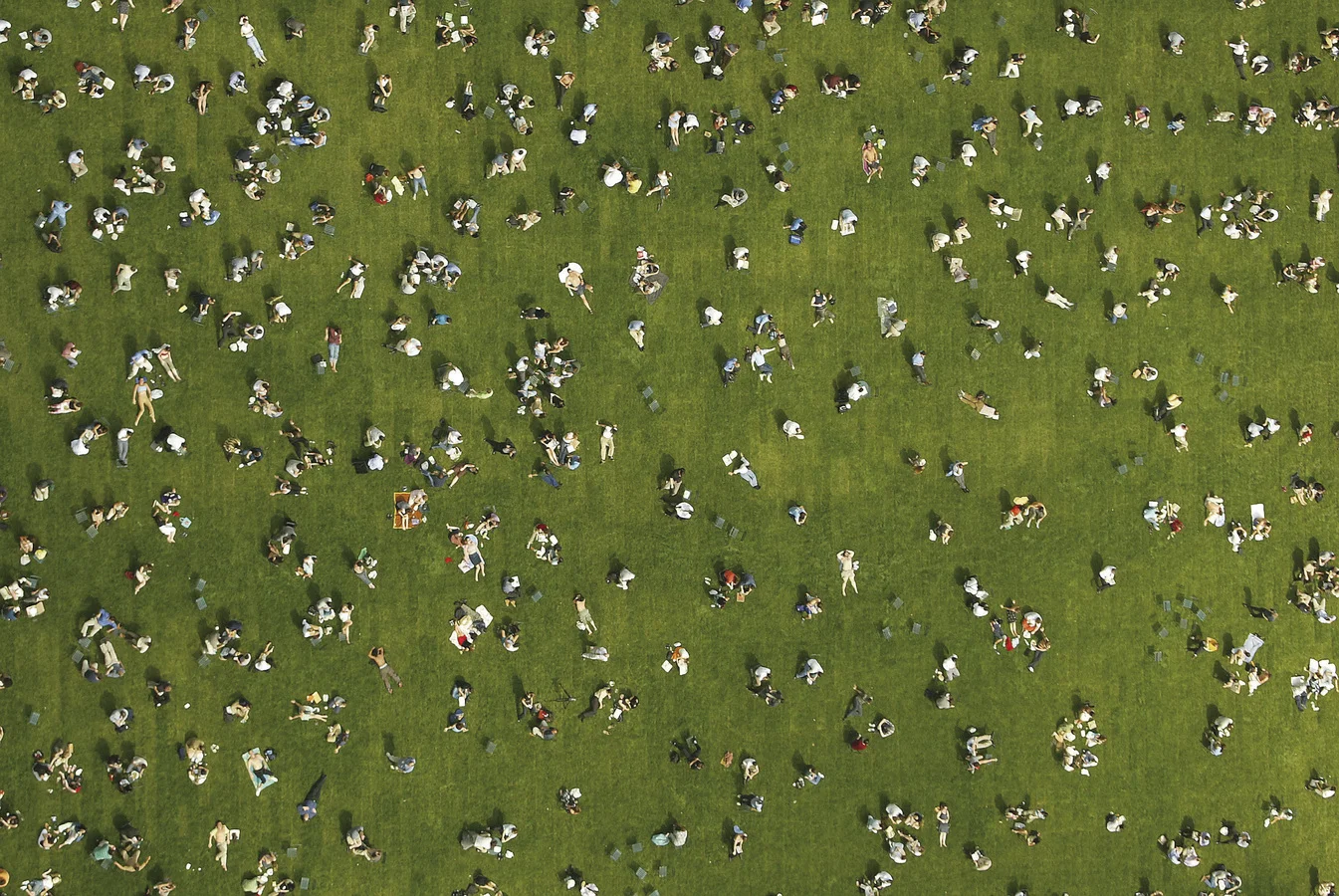

 

We’ve identified six characteristics of success found in great parks that make a difference. These principles purposefully go beyond how parks look or function, how big they are or where they are. Found in varying degrees in all our work, we use these as touchstones to support our clients’ missions and aspirations.
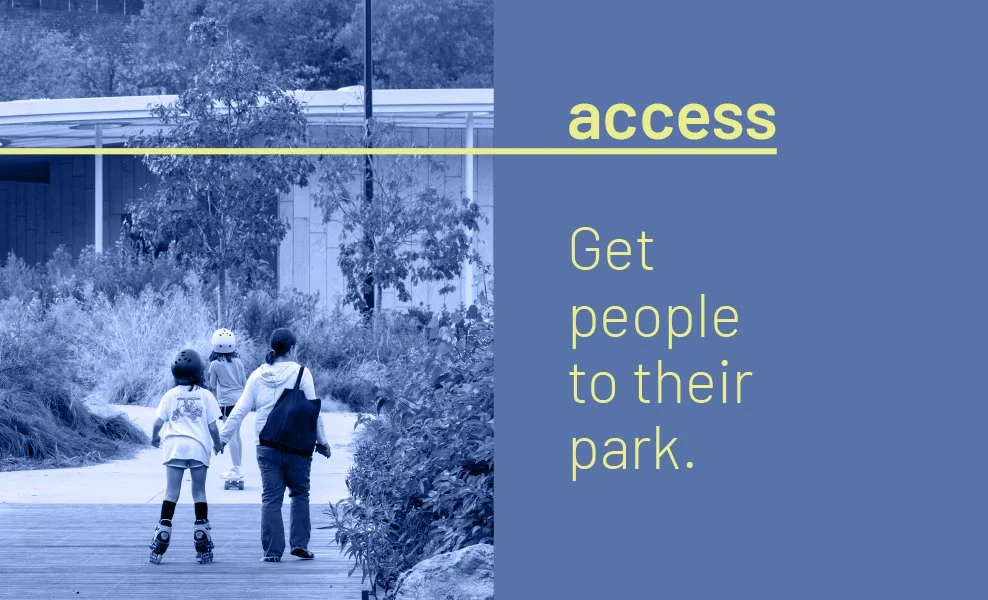
Great parks assure access. They have no borders. They are open and inviting to all, an integral part of our neighborhoods. And they connect us to other parks, other neighborhoods, other people, and other experiences.

We believe everybody should be able to walk or bike to a great park.

11th Street Bridge Park, Washington, DC
This bridge park shows just how literal the notion of “park as connector” can be. While the Anacostia River has long represented a barrier of race, representation, and economic opportunity, 11th Street Bridge Park invites people on both sides of the waterway to convene and cross paths.  

Cleveland Parks & Recreation Plan
Cleveland, OH

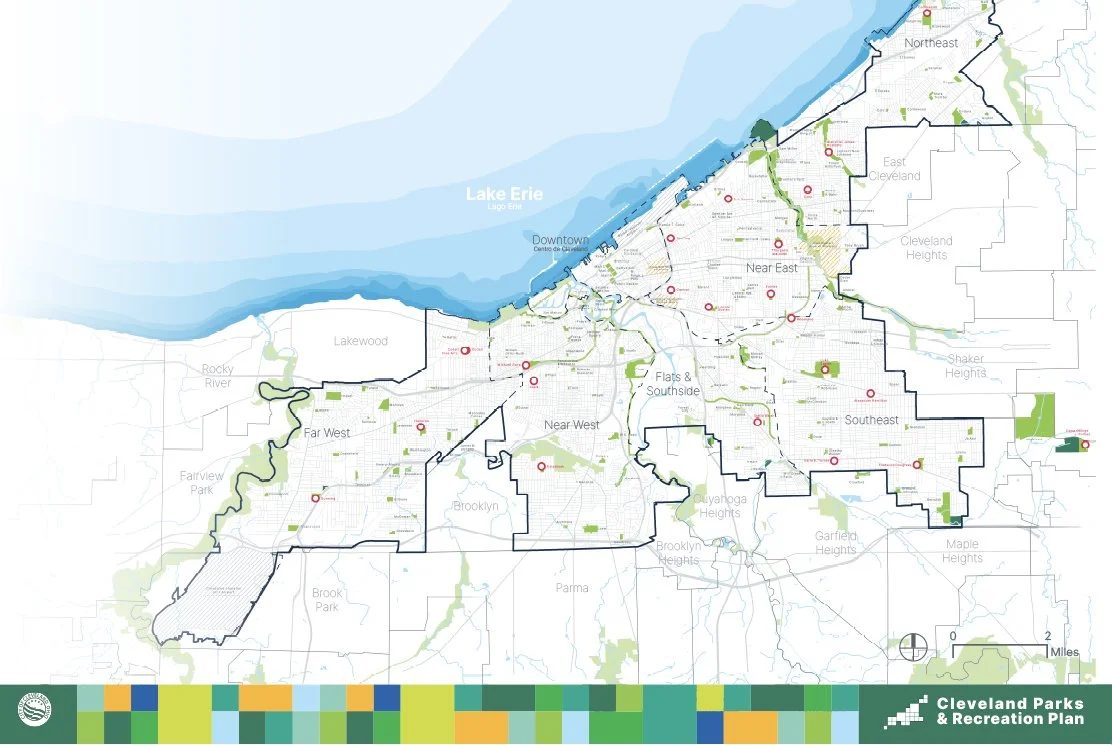
OLIN worked with the City of Cleveland to develop the city’s first Parks and Recreation Plan in over 40 years—an equitable, community-driven vision that will guide park and recreation investments for decades to come.

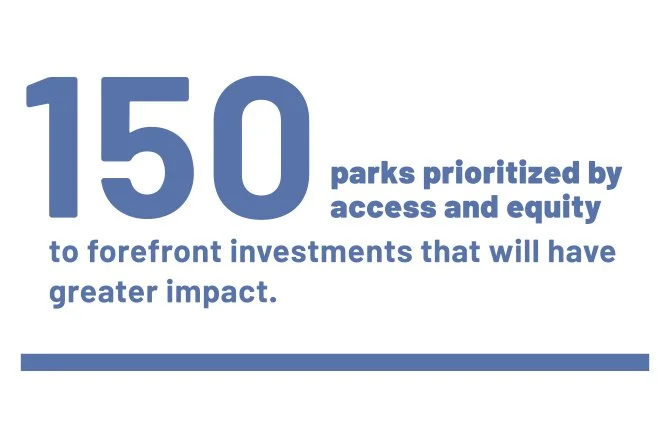
With 161 parks and 22 recreation facilities totaling 1,600 acres, parks and recreation are part of all Clevelanders’ daily lives. Equity is interwoven throughout the plan to ensure all community members benefit. It shows up in the plan’s level of service metrics and general investment strategies ensuring equitable access across the city. The plan defines access standards for how long residents should have to walk or drive to common park and recreation facilities and identifies where access should be improved. Based on this, the plan provides guidance on what parts of the city might need additional facilities, what parts need existing facilities to be maintained, and what parts might be considered for consolidating facilities.

Great parks build community. They are civic spaces that allow voices to be heard—and are themselves a reflection of community priorities and diversity. Parks become part of our lives by building community in the park and park in the community. They have something that can draw everyone in to appreciate and enjoy, from fitness enthusiasts to the casual passer-through.

We believe every park can deepen a sense of community.

LA River Master Plan Update, Los Angeles County, CA
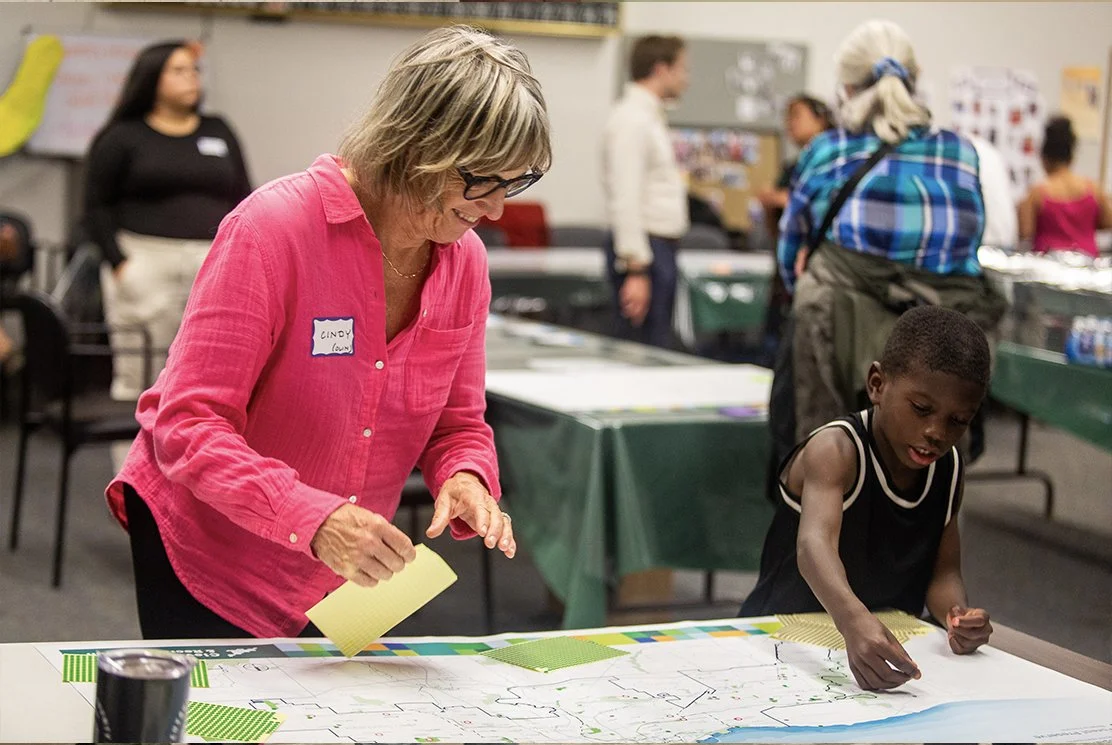
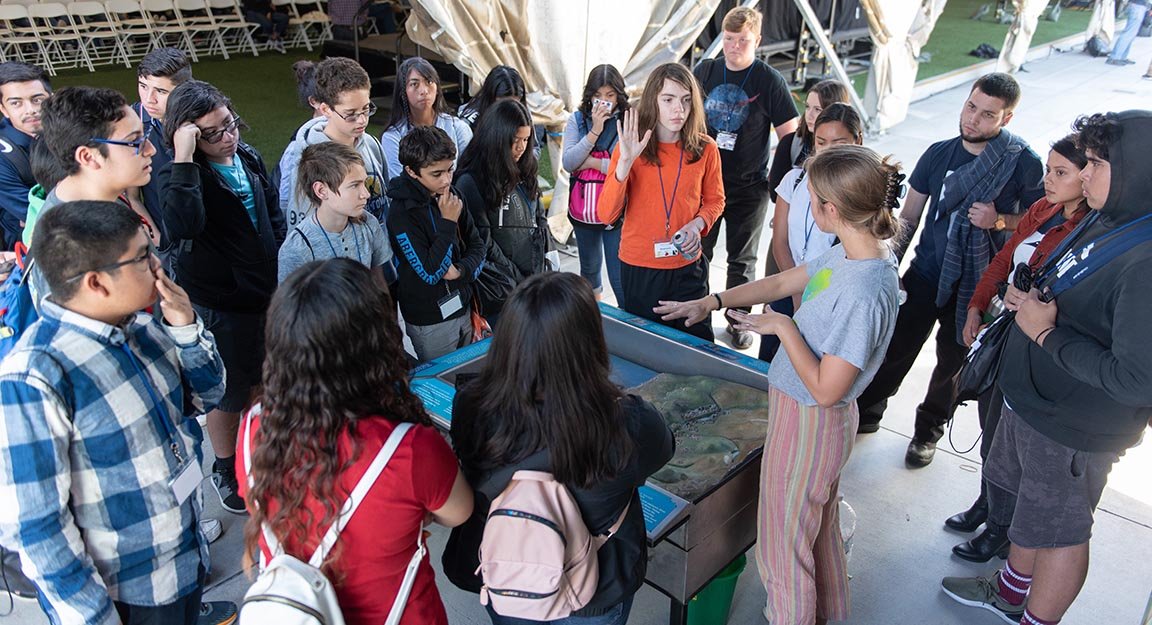
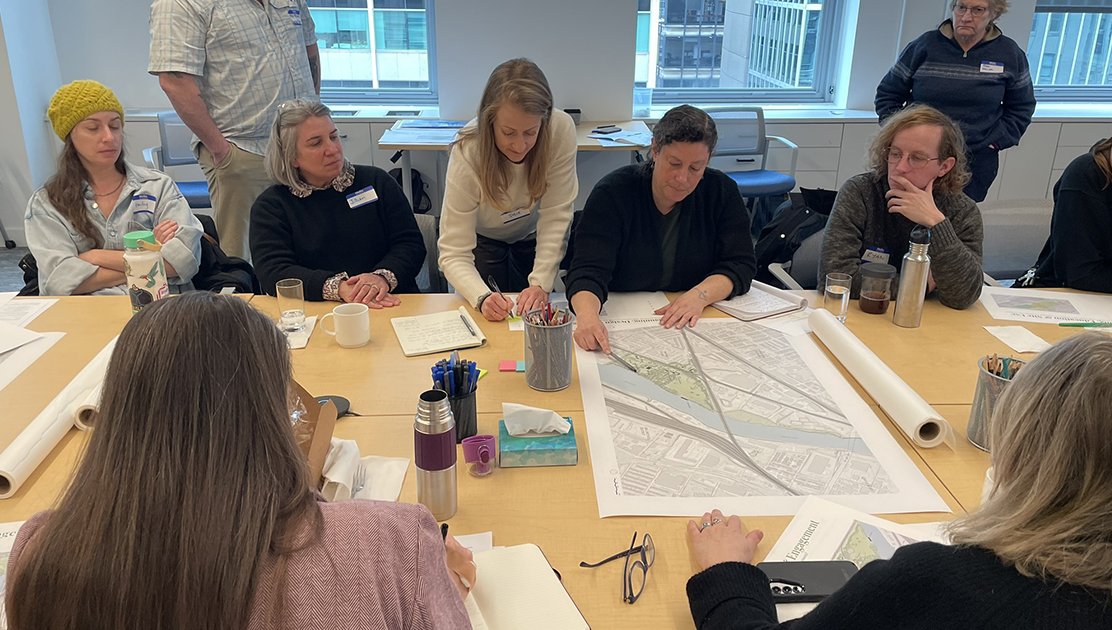
At every step in updating the LA River Master Plan, there were opportunities across geographic, language, and accessibility spectrums for residents to engage in the process. Over 9,000 people were engaged during the process. A cornerstone of engagement was a series of community meetings, where residents could express their concerns and aspirations.


Climate Resilient Communities Project
Philadelphia, PA

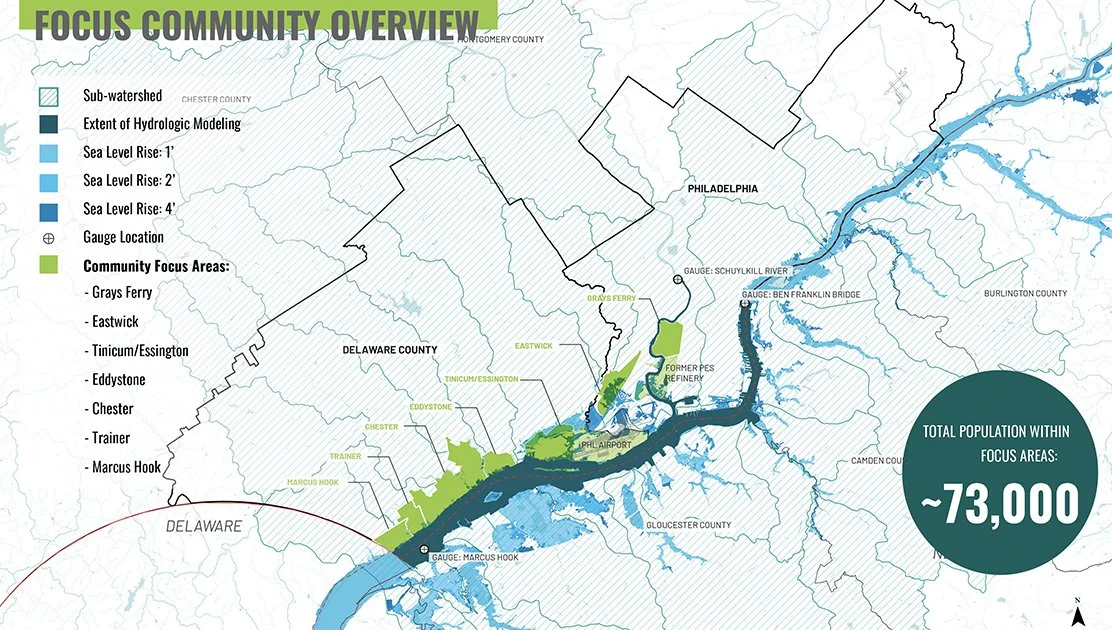
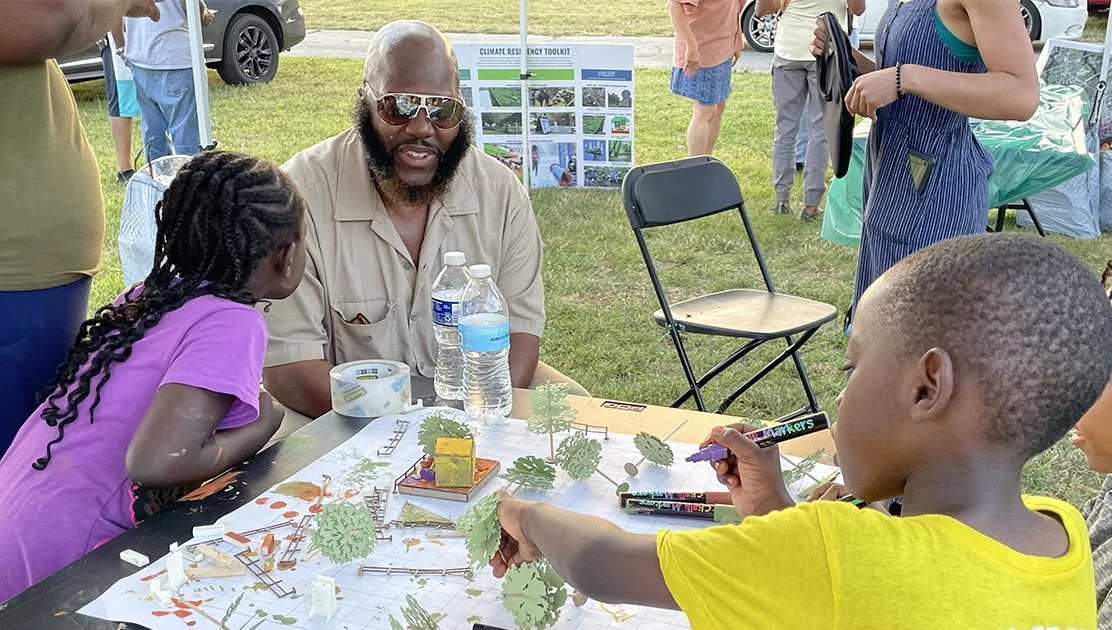
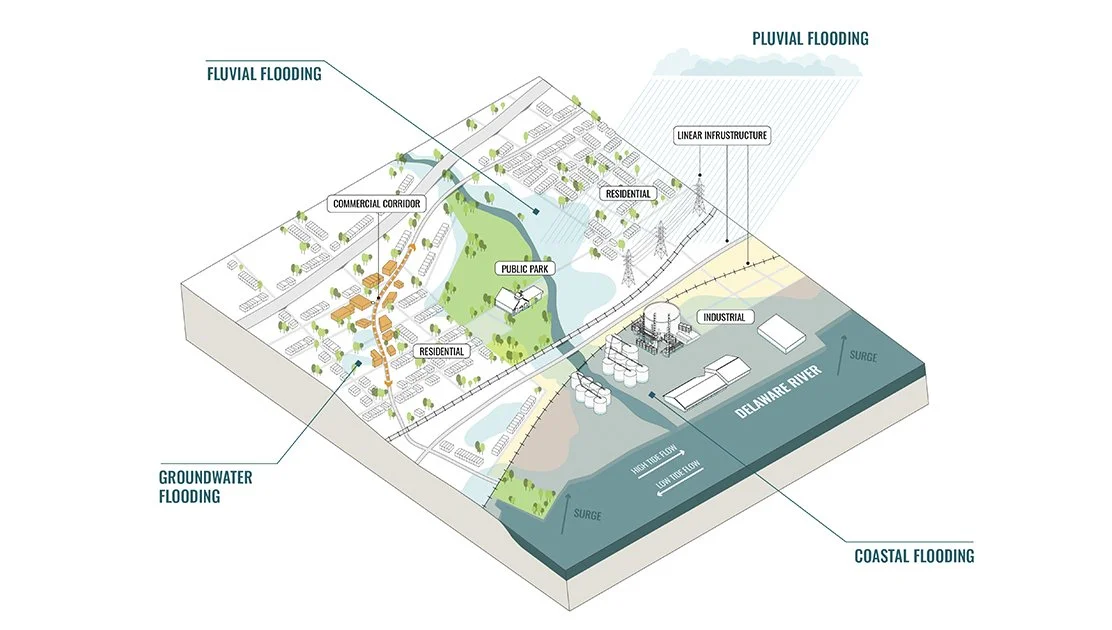
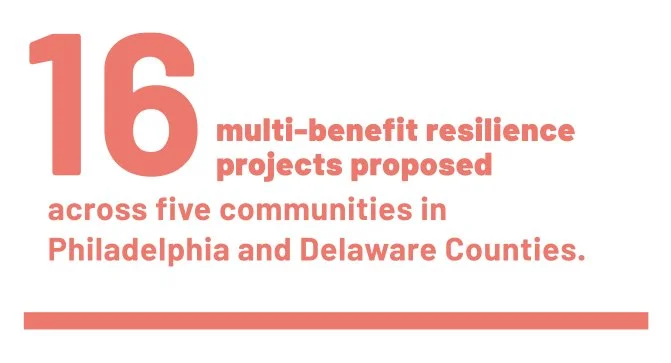
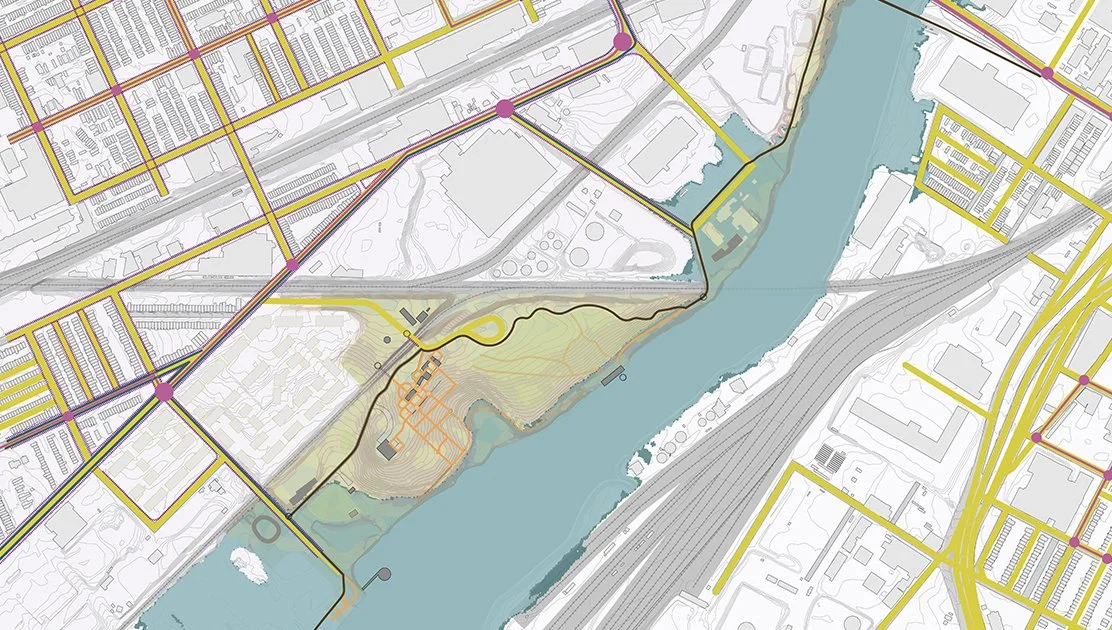
Communities along the Lower Schuylkill River in Philadelphia and the Delaware River in Delaware County face compounding risks from heavy industry, flooding, and sea level rise. Through a grant from the William Penn Foundation, the Clean Air Council and OLIN partnered on a resiliency study to unite fragmented planning across the region. A critical feature of this effort is the direct funding of small, early-action park and public space projects in five focus communities. While the overarching study provides a vital tool for local environmental justice advocacy, these tactile park interventions provide immediate value. By creating vibrant gathering spaces that foster local connection, they ensure that long-term resilience is rooted in strong social infrastructure.


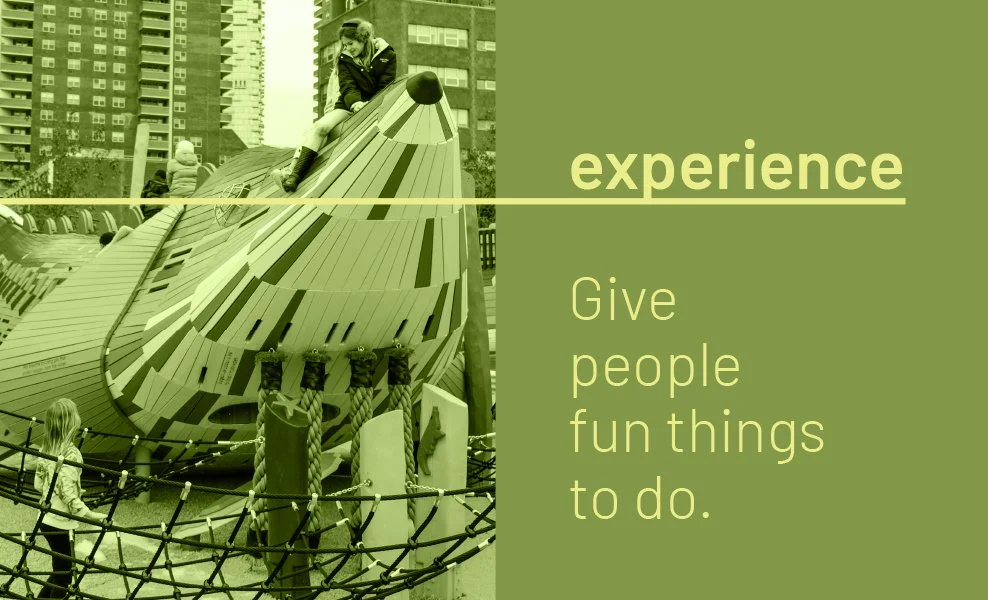
Great parks abound in experiences. They are safe and clean spaces that bring together people, activities, and events that excite and inspire us. Designed for flexibility, these parks can  evolve with our ever-changing interests. 

We believe every park should enrich our lives and allow us to learn more about ourselves.

Pier 26, New York, NY
In New York City, parks must serve all in a way like no other, and so this two and a half-acre pier in Tribeca packs a wallop in activities and features. We worked intensively with the neighbors who will call this park their own to develop a program including nature walks, lounge areas, a flexible lawn, an adventure playground, two soccer fields, and a fully accessible constructed wetland which allows visitors to connect with—and learn from—the river ecosystem under their feet.

The Bud and Susie Rogers Garden at the Akron Art Museum
Akron, OH

A place of connection and civic pride, the Bud and Susie Rogers Garden is a gift to the people of Akron. Bringing art to people and vice versa, our design offers a space that is flexible, designed to receive artistic expression in myriad forms, with a concrete art wall, a flexible plaza, and a lawn which serves as canvas, gallery, and stage. The result is a landscape designed to receive—rather than dictate—art, a place for the community to gather and create, and to celebrate their city.

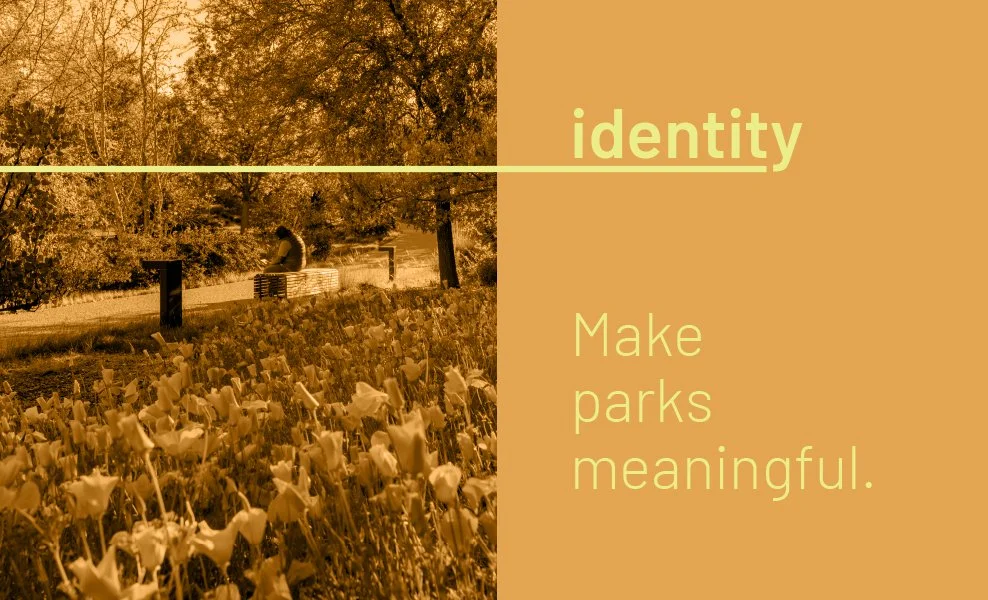
Great parks shape identity. They represent who we are and are as unique and authentic as each of us. Their names and their image evoke the best versions of ourselves and our communities. 

We believe every park should physically express our ideas.

Dilworth Park, Philadelphia, PAIf the City of Philadelphia had a front porch, Dilworth Park would be it. The park is located at the foot of City Hall and at the convergence of multiple transit lines, but many are unaware that the site was once also …

Dilworth Park, Philadelphia, PA

If the City of Philadelphia had a front porch, Dilworth Park would be it. The park is located at the foot of City Hall and at the convergence of multiple transit lines, but many are unaware that the site was once also home to the city’s first water works. That legacy, as well as the stories of transit and civic action are told through the design, with a programmable scrim fountain and future water art installation, generous, welcoming access to the transit lines below the park, and a fully open and accessible topography, allowing for events ranging from farmer’s markets to civic demonstrations.

Whistle Stop Park
Redding, CA

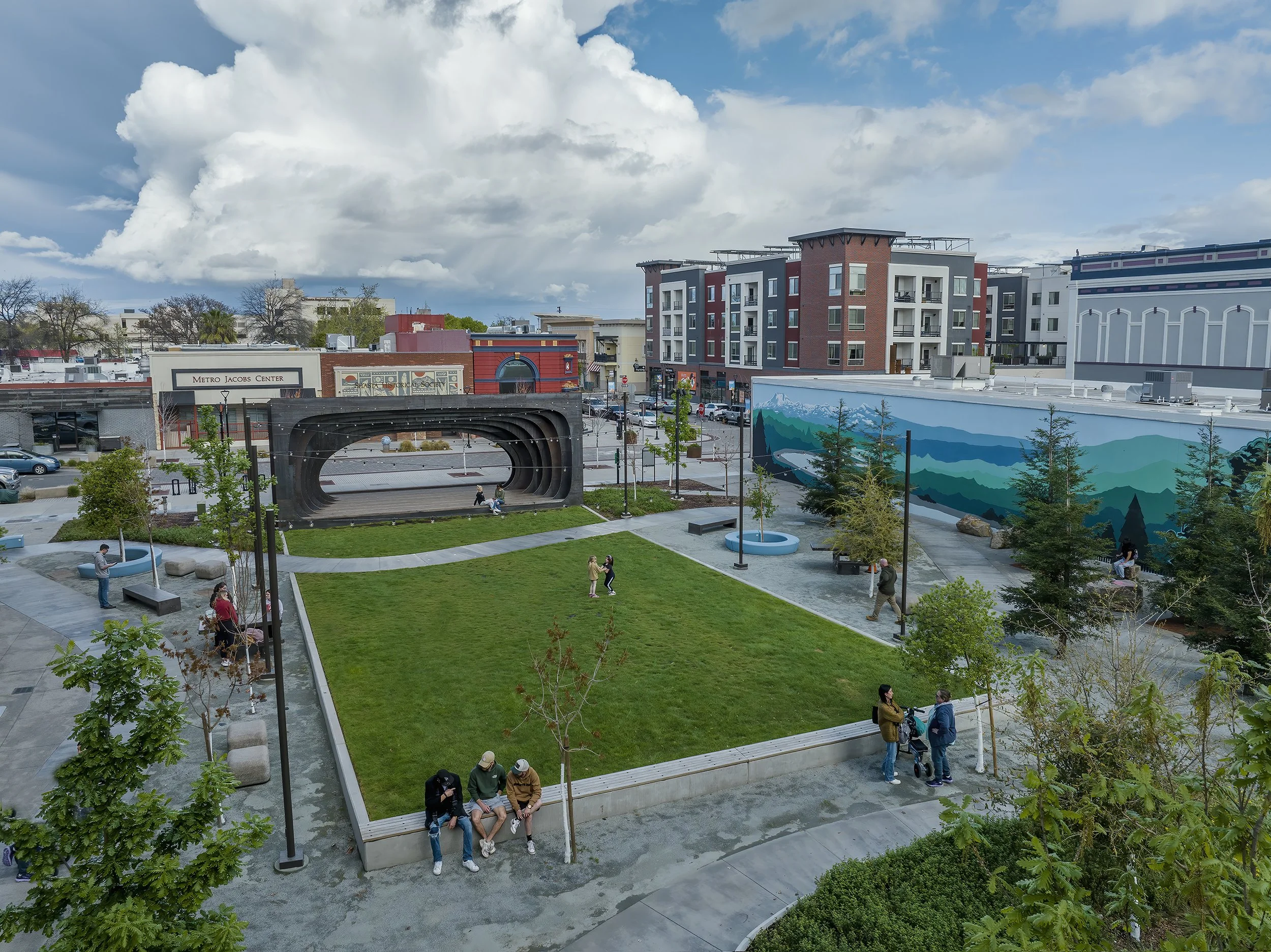
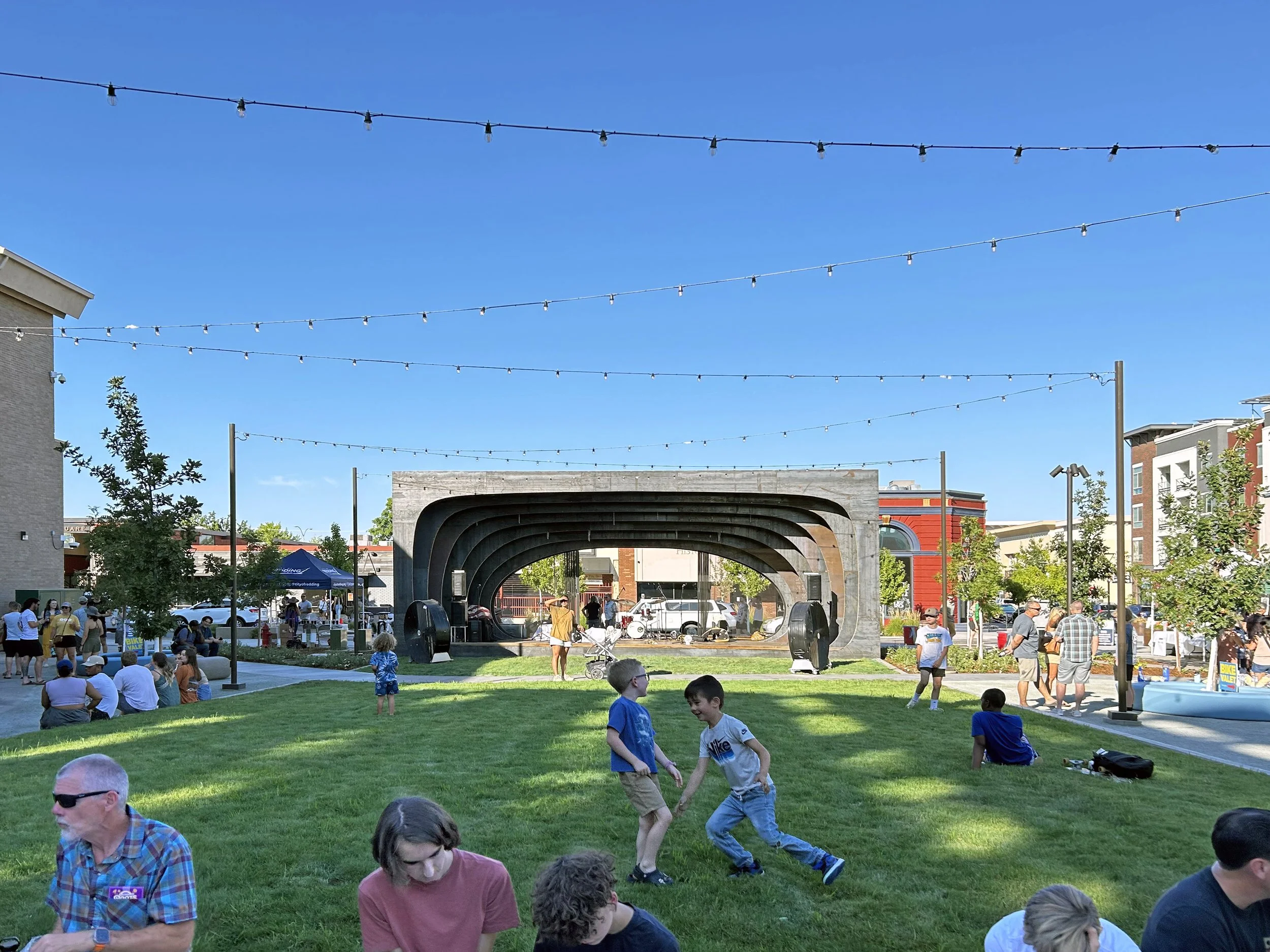
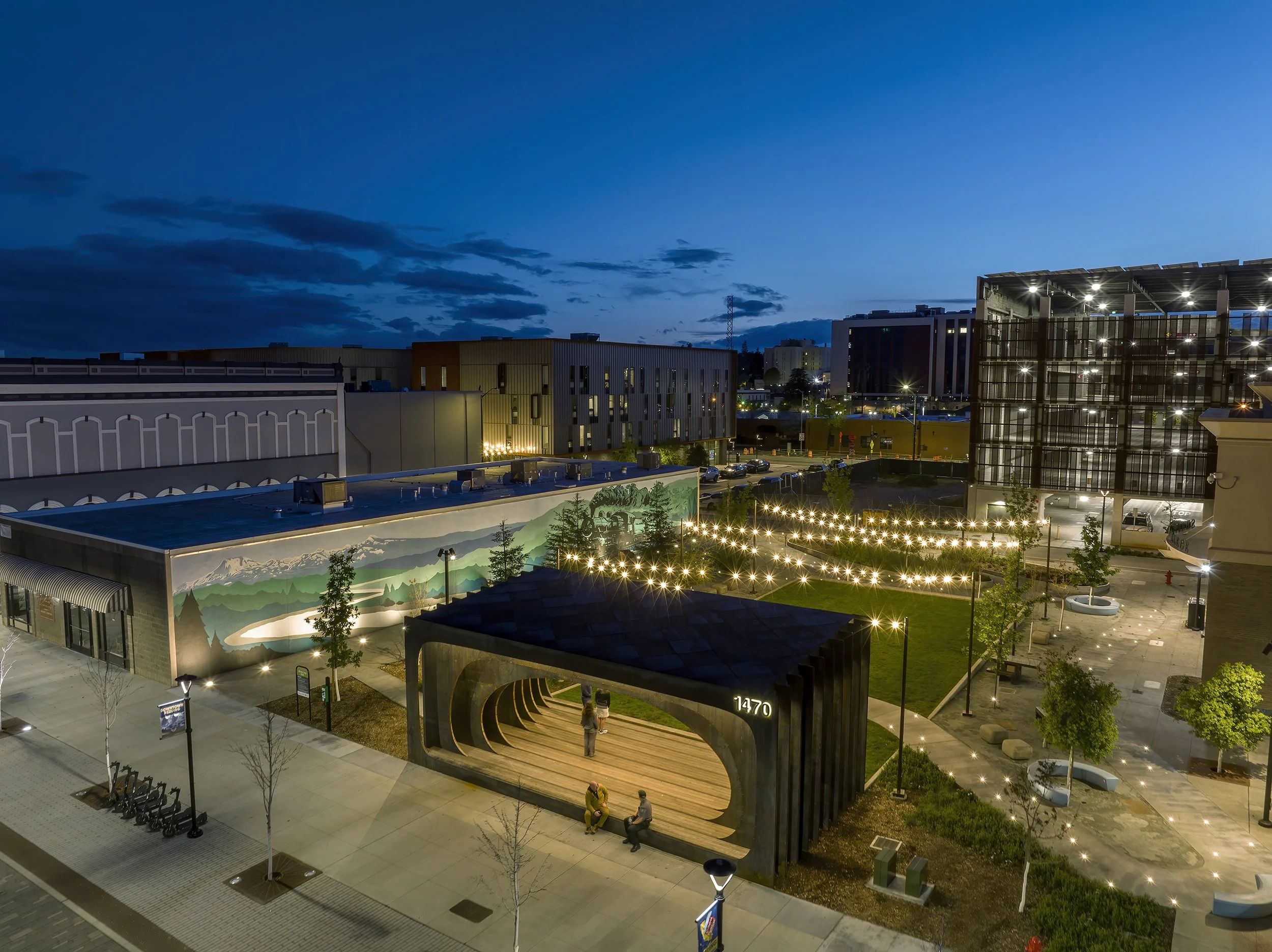
Whistle Stop Park is unique in Redding. It’s simultaneously a nod to Redding’s past and a look into a future that welcomes a green space for community gatherings into the City’s center. Located in the heart of downtown Redding, Whistle Stop Park honors the city’s long-standing connection to the California and Oregon Railroad.

The park features abundant shade to mitigate intense summer heat, a multifunctioning performance kiosk, a playful lawn, varied seating options, and a cooling mist garden inspired by the regional geology and ecology of Redding. The park is a refreshing microclimate oasis and a comfortable public amenity for passive and active use throughout the year.

Whistle Stop Park proves that parks don’t have to be large to be enjoyable. This one is small but mighty.

Great parks conserve our natural and cultural resources. They reconnect us to nature and safeguard our collective memory. They remind us of what came before us, where we came from, and where we are going.

We believe that every park should secure natural and cultural resources for people to enjoy.

Mill River Park and Greenway, Stamford, CTOver more than a decade, we’ve been working with the City of Stamford, Connecticut and the Mill River Park Collaborative to envision and implement a dramatic transformation of Mill River from a polluted and …

Mill River Park and Greenway, Stamford, CT
Over more than a decade, we’ve been working with the City of Stamford, Connecticut and the Mill River Park Collaborative to envision and implement a dramatic transformation of Mill River from a polluted and debris-choked channel to a healthy waterfront park and greenway system that reunites people with nature and their waterfront.

Bartram’s Garden Long-Range Landscape Plan
Philadelphia, PA

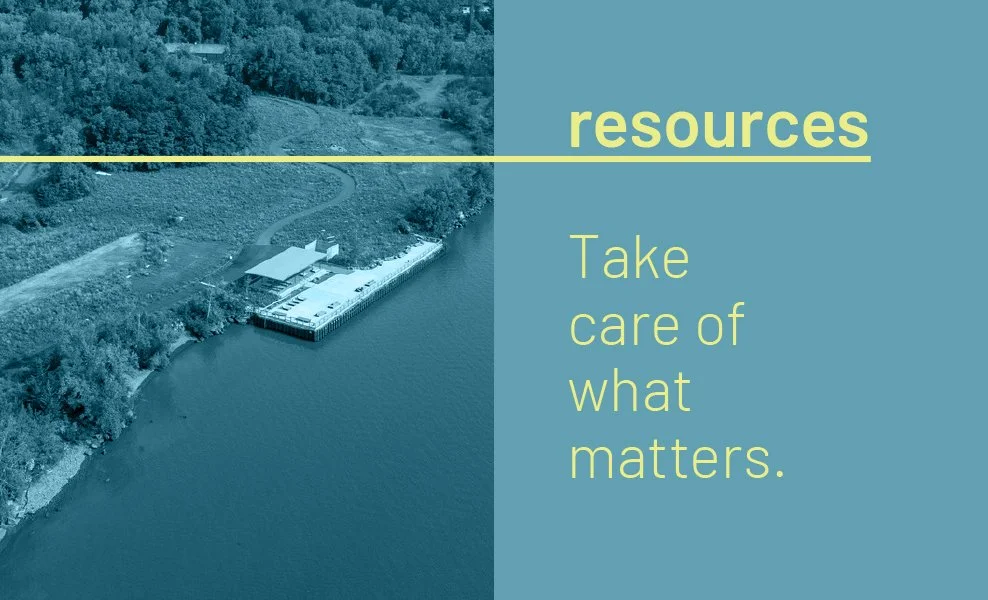
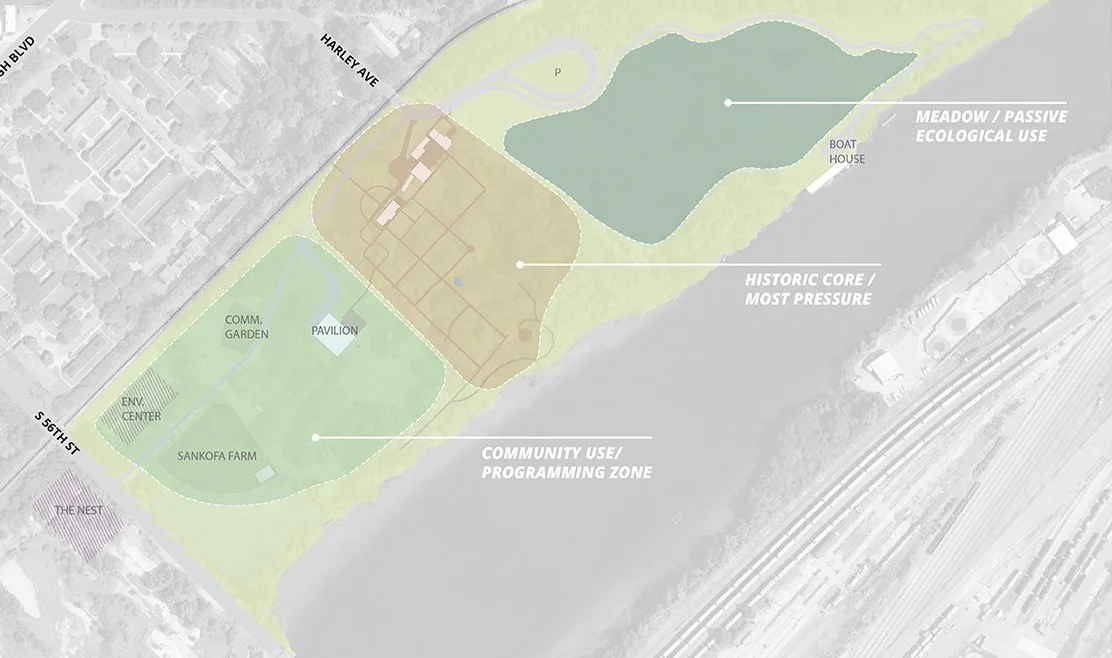
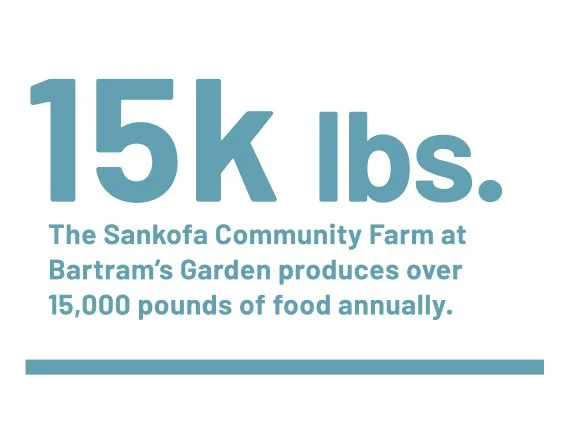
As North America’s oldest surviving botanical garden, Bartram’s Garden preserves invaluable historic plant collections, ancient seed legacies, and a critical tidal wetland habitat along the Lower Schuylkill River. OLIN is developing a generational long-range plan for the 50-acre site, weaving its rich horticultural legacy and essential role as a hub for African, Indigenous, and local communities into a forward-thinking, climate-resilient design. The resulting plan will secure this vital public realm, ensuring another 200 years of productive, beautiful natural heritage that welcomes neighbors and global visitors alike.

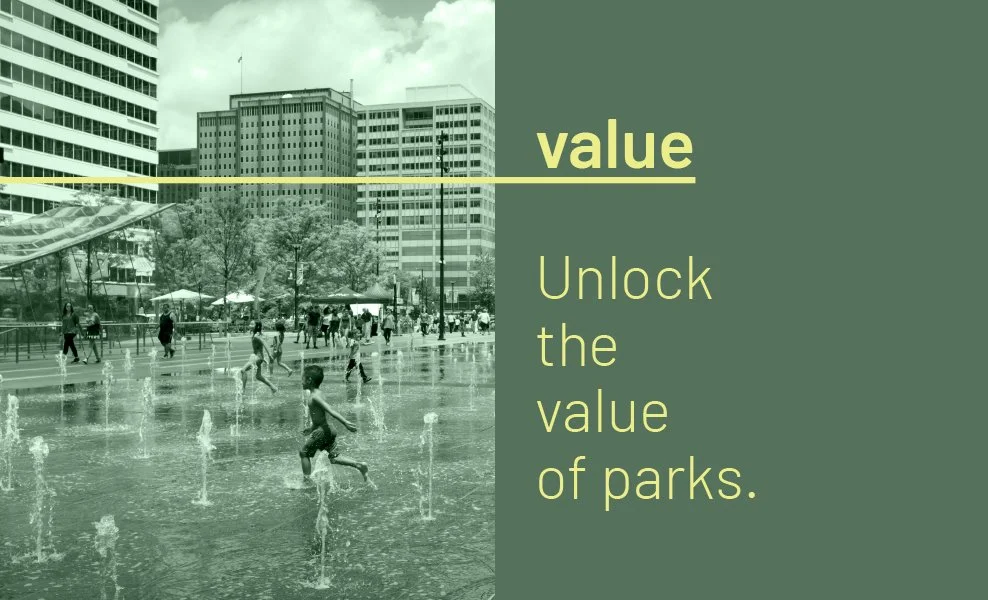
Great parks prove their value. They give back more than what we put into them. Parks can be economic catalysts that can increase the value of their surroundings and revenue generators that offset their maintenance and programming costs.

We believe every park should live up to its highest potential.

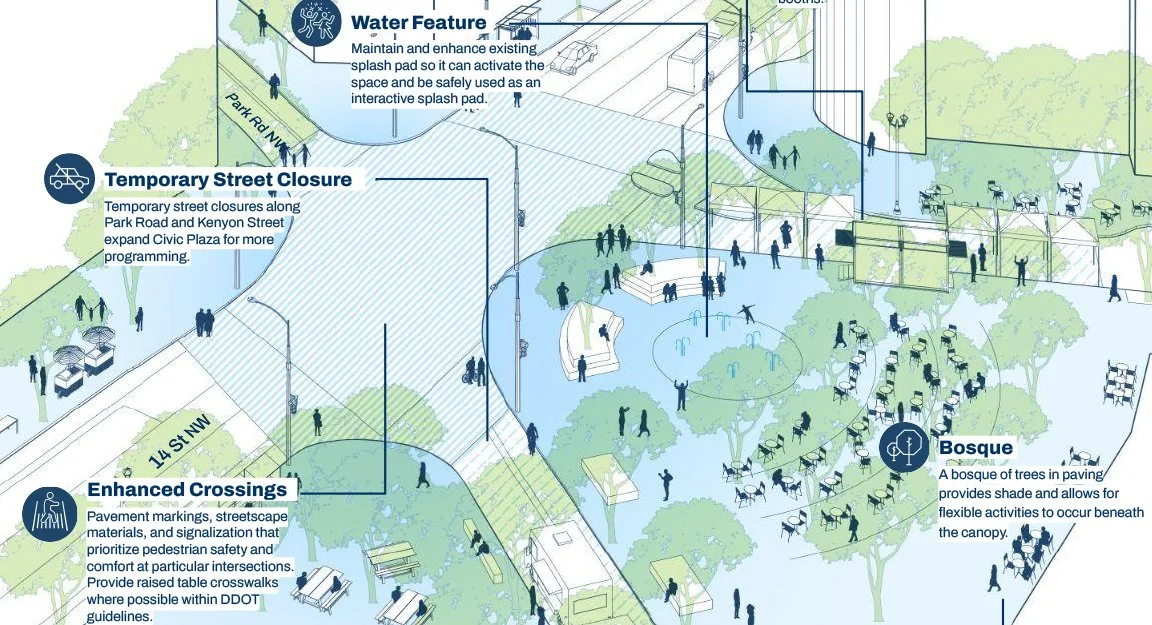
Columbia Heights & Mount Pleasant Vision and Framework for Public Life, Vending, and Design, Washington, DC
This study with Gehl proves that vibrant public spaces act as economic catalysts. Farmers markets inspire 14 times more people to linger in plazas, while sidewalk vendors activate streets, attracting diverse patrons. Investing in public space triggers an amplified, self-sustaining loop of local commerce and public life.

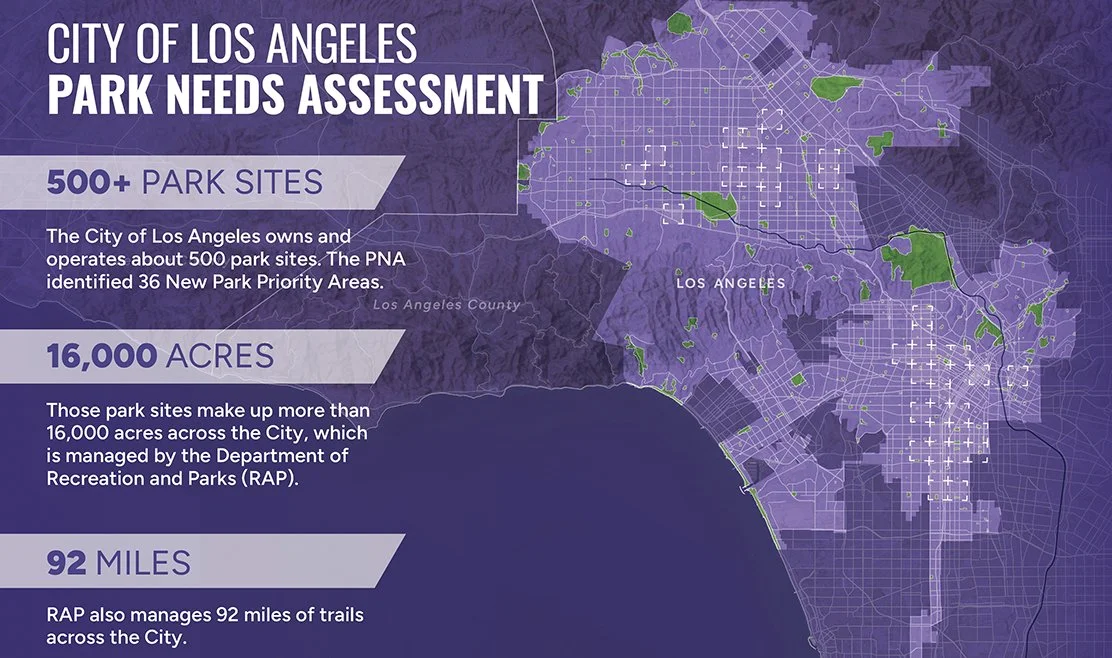
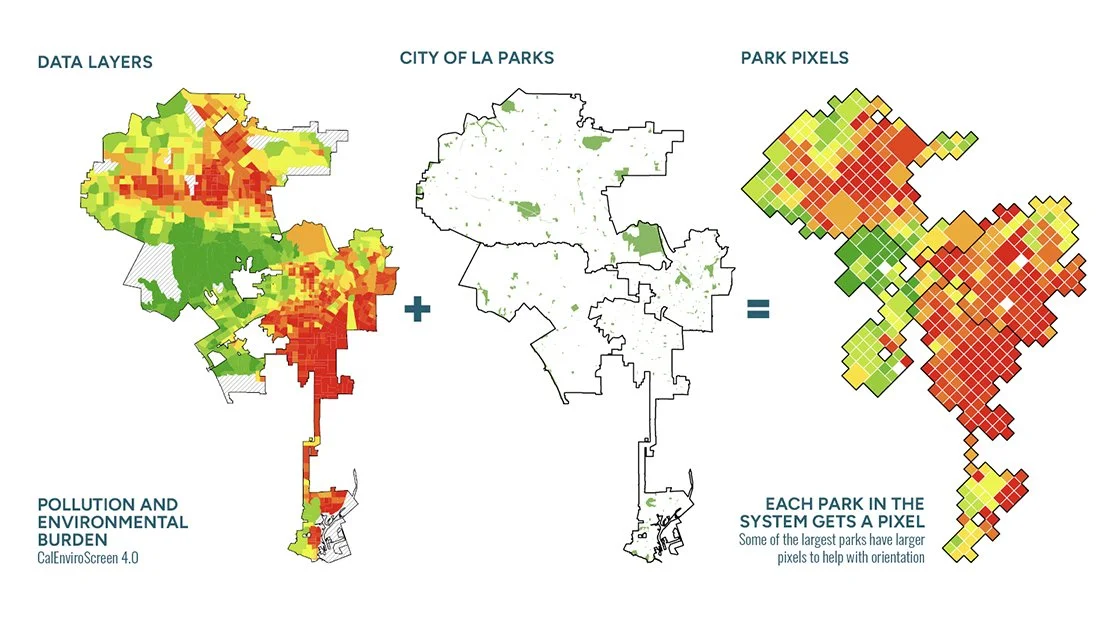
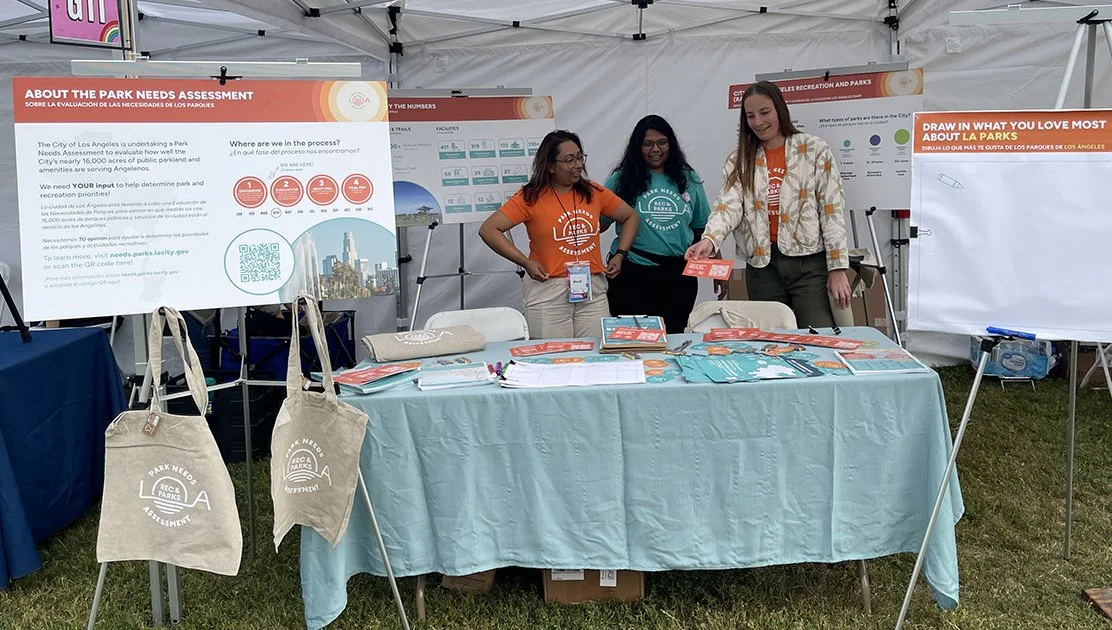
LA Park Needs Assessment
Los Angeles, CA

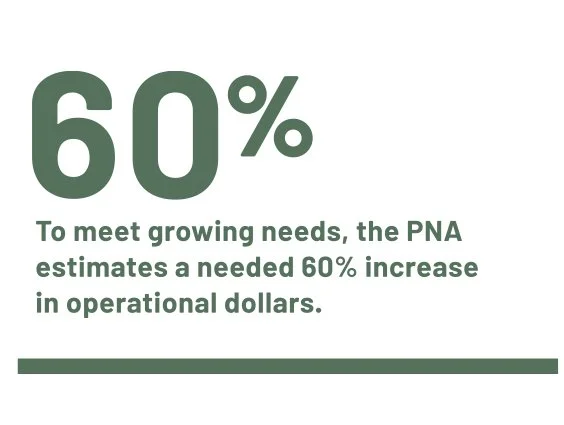
The Los Angeles 2025 Park Needs Assessment (PNA) reframes 16,000 acres of parkland as a critical driver of economic opportunity. Facing a shrinking workforce and $2 billion in deferred maintenance, the system requires structural reform. The PNA establishes the vital data foundation and future roadmap needed to secure permanent, long-term funding for the city’s parks. Investing in this infrastructure stimulates vibrant, self-sustaining neighborhood economies.